

In a world that celebrates formal skills like coding, IT, or engineering, it’s easy to feel inadequate if you don’t have those qualifications. We often measure ourselves against others, thinking we lack the skills necessary for success. I know this feeling all too well. In 2021, I found myself questioning, “What skills do I really have?”
The realisation was overwhelming. I didn’t have the formal qualifications that many of my peers boasted, and that made me feel stuck. However, through self-reflection and life experience, I came to understand that I had something equally valuable—skills that weren’t formal but were powerful and transferable.
The Importance of Self-Reflection

Self-reflection is the first step to discovering the talents we overlook. For me, it started when I took the time to pause and look at my life. While I didn’t possess a title like “architect” or “doctor,” I realized I had been accumulating practical skills in every job I had undertaken.
It’s important to ask yourself: “What skills have I picked up over the years?” Don’t limit yourself to formal education or certifications—consider your life experiences, your adaptability, and your ability to learn new things quickly.
Transferable Skills Matter More Than You Think
When I began listing out the things I knew how to do, I discovered a treasure trove of abilities. I had experience in desk jobs where I managed tasks efficiently using MS Office. I had led teams and knew how to inspire people to achieve their goals. I had done handyman work, and even tackled small electrical repairs—all skills I learned on the job or through sheer curiosity.
These are transferable skills—abilities that can be applied across multiple professions. Whether it’s organizing a business or fixing something at home, I realized my knowledge base was far more valuable than I initially thought.
Examples of Transferable Skills:
- Team leadership and management: Working in various roles taught me how to lead teams, set goals, and help others succeed.
- Problem-solving and adaptability: Whether it was finding ways to optimize workflows or learning to fix something, my adaptability allowed me to navigate any situation.
- Technical skills: Even if it wasn’t formal training, my use of tools like MS Office or learning through observation helped me accomplish tasks efficiently.
Redefining Success
At one point, I compared myself to my school friends who had more traditional paths in life—engineers, IT specialists, doctors. This comparison can be overwhelming, but I had to remind myself that everyone’s journey is different. While I might not have followed their path, I found success in my own way by focusing on my drive to earn a living and my curiosity to keep learning.
It’s easy to feel pressured when you see others’ success, but take time to recognize your own strengths. Success isn’t defined by the title you hold; it’s about your ability to adapt, learn, and thrive in various circumstances.
Overcoming the Certificate Barrier
During my journey of self-reflection, I often found myself browsing job vacancies, looking at the details of roles I knew I could excel in. I’d read the job descriptions and think, I’ve done this before and I’m great at it. But then, I’d reach the requirements section, where they would ask for certificates or formal qualifications. That’s where doubt would creep in—I don’t have that certificate.
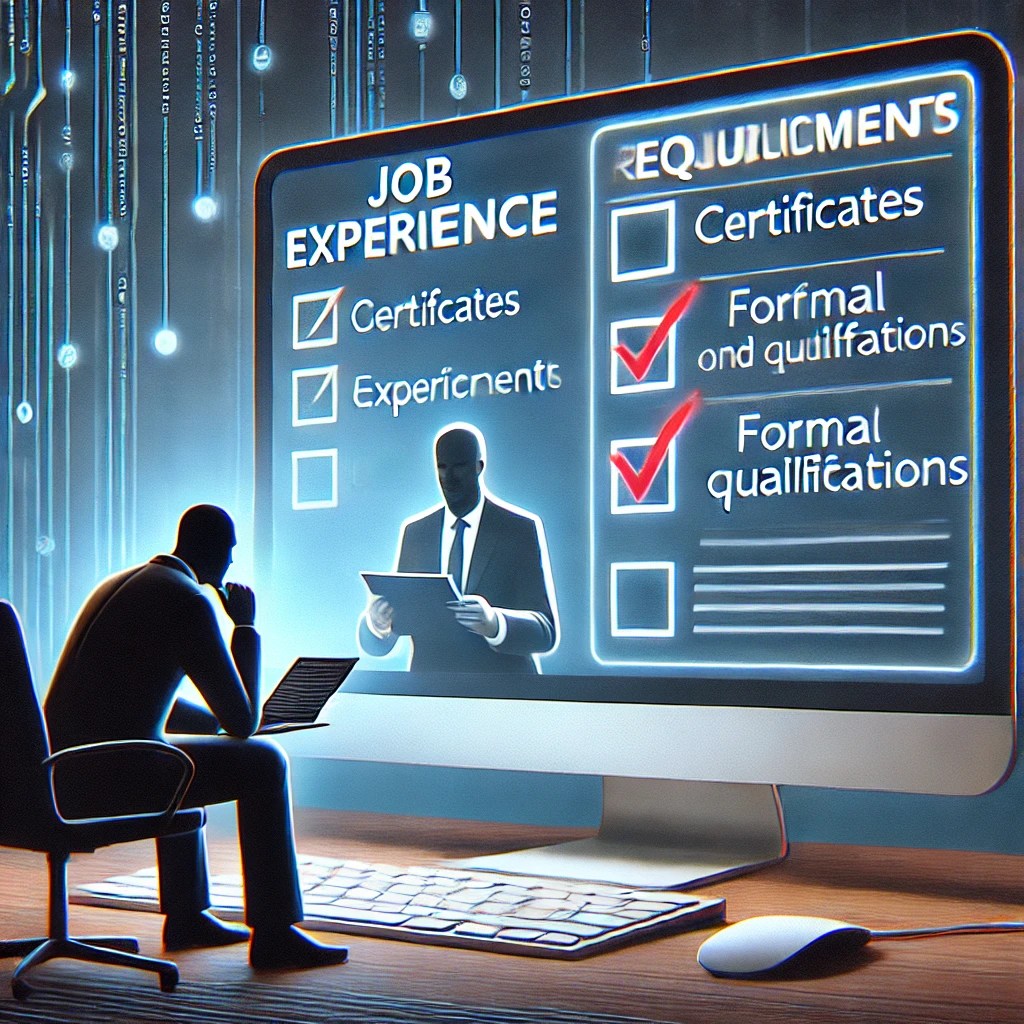
Initially, it stung. I had all the necessary experience but lacked the official paper to prove it. However, instead of dwelling on that frustration, I asked myself an important question: Who stopped me from getting one?
I already possessed the skills they were looking for, so why not go the extra step and earn the formal qualifications too? This realization motivated me to pursue a degree. I’ve never said it was easy—if it were, everyone would have one. But that’s the point: It’s hard, and it requires dedication. Yet, when you know it will open even more doors for you, the challenge is worth taking on.

The key is recognizing that while experience is invaluable, sometimes the formal path is what completes the package. And I was ready to make that commitment.
Money and Its Role in Our Happiness
I’ve always believed that money isn’t everything, but let’s face it—money does provide the freedom to support your family, enjoy quality time, and give back to those in need. My desire to earn money wasn’t driven by greed but by the understanding that financial stability allows me to live the life I want, spend time with my children, and even help the less fortunate.
This realization fueled my motivation to embrace the skills I had, learn new ones, and work toward financial stability for the things that matter most.
At the END
Everyone has valuable skills—even if they don’t fit the mold of what society typically celebrates. Self-reflection allows us to uncover hidden talents, and transferable skills give us the flexibility to thrive in any environment. If you’ve ever questioned your worth or doubted your skills, take a moment to reflect—you might be surprised at what you’ve accumulated over the years.
Your skills are unique, and your path to success is yours to define. So, stop comparing, start reflecting, and realize that you have everything it takes to live a fulfilling life.




 Life in Full HD
Leave a comment