
We crave control in all we see,
A fragile sense of mastery.
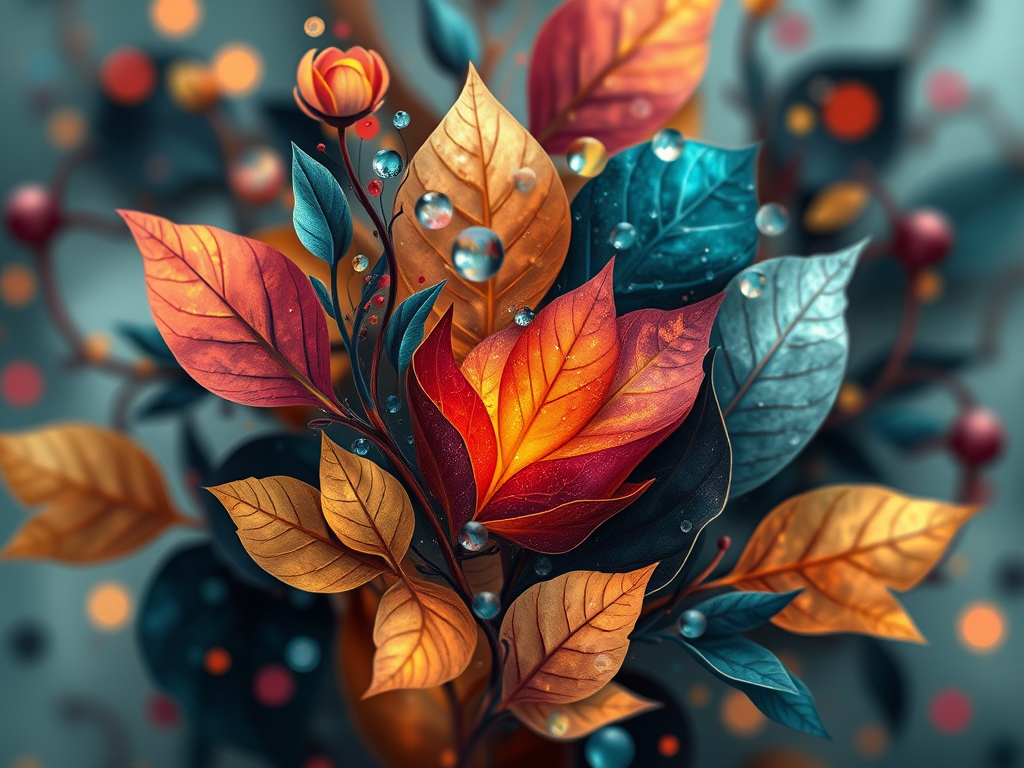
Yet, like leaves that bend in wind’s embrace,
We adapt to life’s uncharted pace.
No grasp on heart, nor sway on time,
We only change, bit by bit, in mime,
Pretending power, crafting the lie,
While life unfolds beyond our try.
Are We Really in Charge or Is It Just the Illusion of Control?
In an era where our lives seem to be moving at an unprecedented pace, the concept of control is deeply ingrained in our psyche. We meticulously plan, make thoughtful decisions, and organise every detail of our lives, all in the pursuit of mastery over our fate. Control provides comfort—a semblance of stability in a chaotic world. Yet, when we pause to reflect, we are prompted to question—how much control do we really possess?
The Nature of Control
Control appears straightforward at first glance. It involves steering our emotions, shaping our circumstances, and wielding power over our surroundings. The allure of being in command is undeniably intoxicating. After all, isn’t control associated with strength, independence, and confidence? However, this desire for control often rests on a precarious foundation. Ironically, our yearning to control everything stems from a primal fear of unpredictability, which, in itself, unveils a lack of genuine control.
This desire to be in charge is not just personal; it’s a societal construct that equates control with success. We’re taught from a young age that to lead a fulfilling life, one must have control over their destiny. But this notion is a double-edged sword, as it sets us up for disappointment when things don’t go as planned. The realisation that we can’t control every variable can be unsettling yet liberating.
Our society thrives on the illusion of control, selling us products and lifestyles that promise mastery over our environment. From self-help books to life coaches, the market is flooded with solutions to gain control. Yet, each solution often leads to more questions, leaving us in a constant loop of seeking control without addressing the underlying fear of losing it.
What We Think We Control
In our everyday lives, we believe we control the superficial aspects—choosing our attire, planning our day, or deciding our meals. These small victories reinforce the belief that we’re in charge. We also attempt to control our emotions and interactions, convinced that with enough restraint, chaos can be averted. However, as life unfolds, these minor decisions often resemble grains of sand against a tidal wave, starkly reminding us of our limitations.
Consider how frequently our emotions defy prediction—joy springing from mundane moments or sadness emerging unbidden. Despite our attempts, emotions resist confinement within our boxes of control. They flow, defying rigid constructs. This unpredictability is a testament to life’s inherent complexity, highlighting the limitations of our perceived control.
The myriad choices we make daily give us a sense of agency. However, the larger picture often reveals that our choices are influenced by factors beyond our awareness—social conditioning, unconscious biases, and external circumstances. Acknowledging this doesn’t diminish our decisions but rather adds depth to our understanding of the forces at play.
Nature’s Reminder: Adaptation, Not Control
Nature ceaselessly reminds us of our vulnerability. Weather patterns shift unpredictably, ecosystems evolve, and even our bodies adapt to unseen influences. Adaptation, rather than control, mirrors the truth of our existence. We don’t so much control our lives as we adapt to the vast, shifting tapestry of reality.
Life, at its core, is an intricate dance of adaptation. We pivot and respond to change, adjusting our sails to the dynamic winds. Unlike control, adaptation is fluid and responsive. It relinquishes the illusion of power, welcoming the liberation that accompanies surrendering to the unknown.
The natural world operates on adaptation rather than control. Species evolve, ecosystems balance, and life thrives not by dominating but by harmonising with the environment. This natural wisdom offers profound insights into how we might approach our own lives—by letting go of the need to control and learning to adapt with grace.
Accepting the Beauty of Adaptation
Releasing the fixation on control ushers in unforeseen growth. Life no longer resembles a relentless quest for dominance; instead, it transforms into an opportunity for resilience, creativity, and acceptance. We shift from striving to respond, discovering equilibrium amidst life’s inevitable ups and downs.
Adaptation teaches us flexibility and resilience. By releasing the need to control every outcome, we cultivate the ability to respond thoughtfully to life’s challenges. In doing so, we not only survive but thrive, discovering strengths we never knew we possessed.
The beauty of adaptation lies in its unpredictability. It invites spontaneity and creativity, freeing us from the constraints of rigid plans. By allowing space for the unexpected, we open ourselves to experiences rich with learning and growth, forging paths previously unseen.
The Takeaway
Despite our efforts to grasp control, it remains elusive. We cannot fully manipulate our emotions, dictate others’ actions, or foresee events. Life is vast and unpredictable, and our strength lies not in control but in our capacity to adapt and flow with its currents.
Next time you feel the urge to control every facet of your life, pause and reflect. Life isn’t a puzzle to be solved but a voyage to be savoured. By mastering the art of adaptation, you’ll discover a freedom far surpassing any illusion of control.
In a world obsessed with control, relinquishing it becomes an act of courage. By choosing adaptation, we align with the natural flow of the universe, discovering a profound sense of peace and empowerment that transcends superficial mastery.
The Illusion of Control vs. Personal Empowerment
The distinction between control and personal empowerment is subtle yet profound. While control seeks to dominate, empowerment encourages us to harness our inner strength, acknowledging our influence without clinging to the need for absolute control.
Empowerment arises from self-awareness and acceptance. By understanding our motivations and limitations, we create space for authentic growth. This, in turn, enables us to make choices aligned with our values and aspirations.
True empowerment lies in recognising our interconnectedness. By collaborating with others and the world around us, we amplify our impact. In doing so, we transcend the confines of control, forging a path of collective growth and transformation.
Decision Making in a World Without Total Control
Making decisions in a world devoid of absolute control requires a shift in perspective. Rather than focusing on rigid outcomes, we must learn to trust our instincts, drawing on past experiences and intuition to guide us.
Effective decision-making involves balancing logic with intuition. By developing our intuition, we gain confidence in the choices we make, even in the face of uncertainty. This balance allows us to act decisively while remaining open to new information.
In an unpredictable world, flexibility becomes a key asset. By approaching decisions with an open mind, we cultivate adaptability, allowing us to adjust as circumstances evolve. This dynamic approach ensures our decisions remain relevant and impactful.
Moving Forward with Adaptation
Adopting an adaptive mindset empowers us to move forward with resilience and grace. By releasing the need for control, we discover new possibilities, navigating life’s complexities with confidence and creativity.
Adaptation involves cultivating a growth mindset. By viewing challenges as opportunities for learning, we shift from a fixed mindset, unlocking our potential for continuous development and improvement.
Ultimately, adapting involves staying present. By focusing on the here and now, we reduce anxiety about the future and regrets from the past. This presence allows us to engage fully with life, savouring its richness and finding joy in its unfolding.
In conclusion, the illusion of control masks a deeper truth—that life’s beauty lies in its unpredictability. By relinquishing control and embracing adaptation, we unlock our potential for genuine empowerment and growth.
Remember, life is not a puzzle to be solved but an experience to be cherished. By letting go of the need for control, we invite the magic of spontaneity, discovering a richer, more fulfilling existence.
For those seeking further exploration, numerous resources await. Engage with communities of like-minded individuals, pursue mindfulness practices, and explore literature that deepens your understanding of adaptation and empowerment.
By choosing adaptation over control, we align with the natural rhythms of life. This alignment fosters a profound sense of peace, enabling us to live authentically and purposefully, free from the constraints of illusion any illusion of control.




 Life in Full HD
Leave a comment