
Early childhood is one of the most critical phases in a person’s life. It’s during these years that children learn essential life skills, from language to emotional regulation. However, in our fast-paced lives, it can be tempting to rely on toys or digital devices to occupy our little ones while we juggle our responsibilities.
Here’s the truth: toys don’t teach life skills—you do. Spending meaningful time with your child, talking, playing, and simply being present, is what truly fosters their development. Let’s delve into why your time matters so much and how you can make a lasting impact on your child’s future.
Why Early Childhood Development Matters
The Brain’s Foundation is Built Early
The first five years of life are a time of rapid brain development, with neural connections forming at an incredible rate. These connections are heavily influenced by the child’s environment, particularly their interactions with you.
Learning Happens Through Connection
Children thrive on meaningful interactions. Whether it’s a game of hide-and-seek or a simple conversation, these moments teach them how to communicate, solve problems, and build emotional resilience.
Children Absorb Everything
During this phase, children are like sponges, absorbing not just knowledge but also emotions, behaviours, and values. How you engage with them shapes their understanding of the world and their place in it.
Why Toys Alone Don’t Cut It
Passive vs. Active Play
Toys may keep your child occupied, but they don’t provide the active engagement that helps them develop essential skills. For example, a dollhouse can teach creativity, but only when you’re there to join the story.
Devices Are a Double-Edged Sword
Tablets and smartphones may seem like lifesavers on a busy day, but too much screen time can hinder your child’s social and emotional growth. Real-world experiences are irreplaceable.
The Emotional Need for Connection
Children crave connection more than anything else. A toy may distract them momentarily, but it’s your attention and presence that make them feel valued and secure.
The Power of Parental Presence
Building Emotional Intelligence
Talking to your child about their day and feelings helps them understand and express emotions. This builds confidence and empathy—skills they’ll carry into adulthood.
Boosting Language and Cognitive Skills
Conversations, storytelling, and even explaining the world around you while cooking or walking teach them vocabulary and critical thinking.
Modelling Positive Behaviours
Children learn by watching. Your patience, kindness, and engagement set the example for how they interact with others and approach challenges.
Practical Ways to Engage With Your Child
Play Together
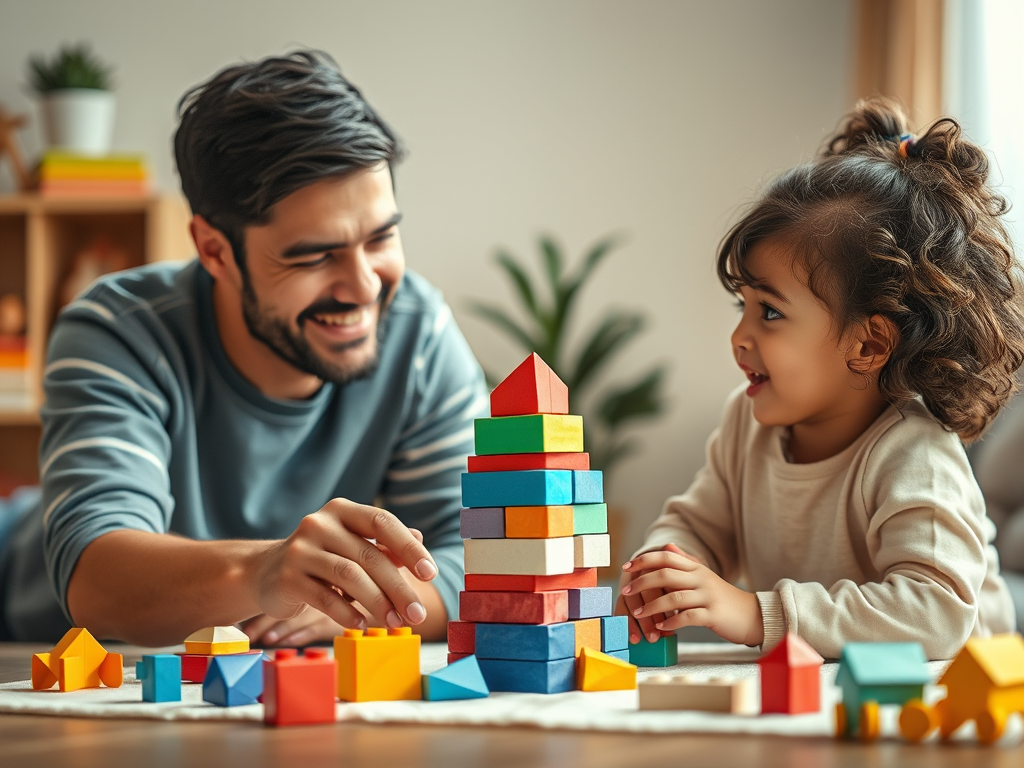
Use toys as tools for bonding. Build a tower with blocks, solve a puzzle together, or create imaginary worlds. These shared experiences foster creativity and cooperation.
Talk and Listen
Ask your child about their thoughts, ideas, and feelings. Listening to them actively makes them feel heard and valued.
Create Routines and Rituals
Simple rituals, like reading a bedtime story or taking a weekend walk, create lasting memories and provide a sense of stability.
Involve Them in Everyday Life
Include your child in tasks like cooking or gardening. These activities not only teach practical skills but also encourage curiosity and teamwork.
A Thought to Leave You With
As parents, it’s easy to feel stretched thin. But remember, it’s not the number of toys or the flashiest gadgets that will shape your child’s future—it’s you. Every minute you spend engaging with your child, no matter how simple, lays the groundwork for their emotional, social, and cognitive success.
Toys may entertain, but it’s your presence, love, and attention that truly make a difference.
So, the next time you feel the pull to rely on a toy or device, pause and ask yourself: What could I teach, share, or experience with my child in this moment? Because those moments are the ones that count.




 Life in Full HD
Leave a comment