“What is this life if, full of care, we have no time to stand and stare?” poet W.H. Davies asked over a century ago. Today, we might say, “What is this life if we’re too busy scrolling to notice anything?” Boredom has become a common feeling – and not just for you. It’s everywhere.
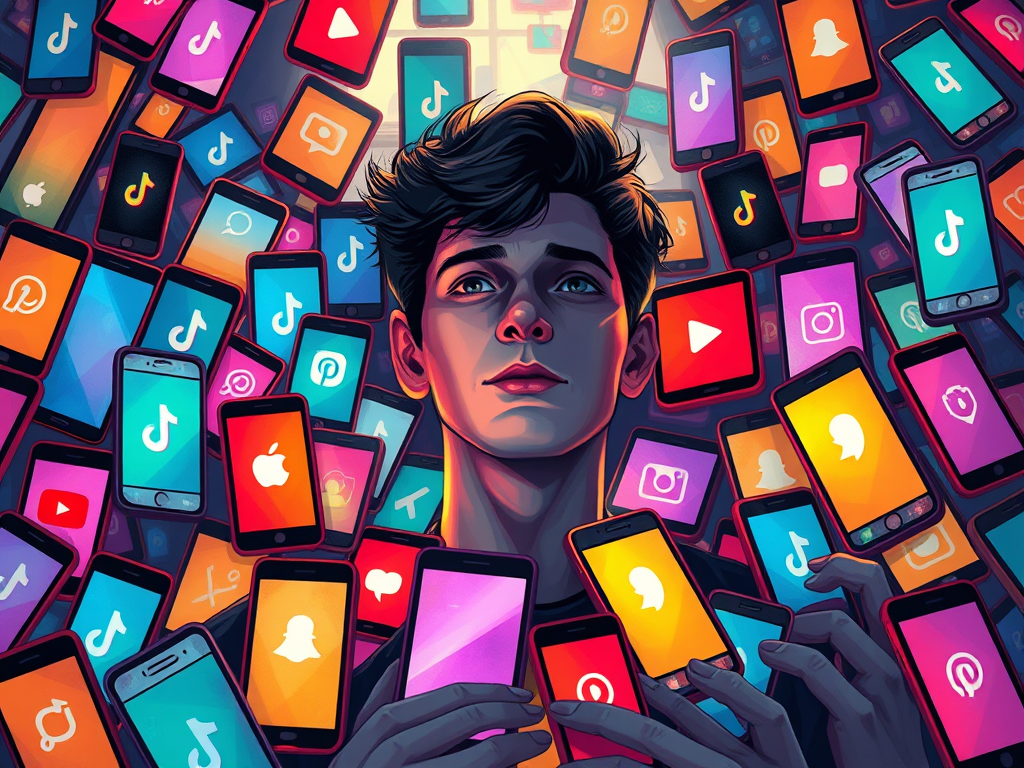
In a world where entertainment is always within reach, apps like TikTok, Instagram Reels, and YouTube Shorts have turned our phones into endless distractions. But after hours of watching funny videos or quick tips, why do we still feel restless? What’s going on? Let’s explore the psychology behind boredom and why it’s become such a modern epidemic.
Boredom: The Annoying Guest That Stays
Boredom used to be a useful signal. It said, “Find something meaningful to do.” But now, we quickly fill it with short-term distractions. Gone are the days of looking at clouds and imagining adventures. Instead, we swipe through content that entertains us for a moment but leaves us unsatisfied.
“To be or not to be,” Hamlet famously asked. These days, we might ask, “To scroll or not to scroll?” And most of us pick scrolling, even though it doesn’t feel as good as we’d hope. This modern battle with boredom reveals how deeply short-form content has impacted our attention spans.
Why Our Brains Love Quick Fixes
Our brains crave novelty. Apps like TikTok understand this and keep feeding us something new with every swipe. That quick rush of excitement, called dopamine, keeps us coming back. This endless pursuit of fresh content is designed to keep us hooked.
But here’s the problem: the more we rely on these quick bursts of entertainment, the less satisfying they become. It’s like eating snacks all day instead of a proper meal. You never feel truly full. Studies show that excessive consumption of short-form content can reduce our ability to focus on longer, more meaningful activities.
It’s Not Just Kids – Adults Do It Too
If you think only kids get bored, think again. Adults are just as guilty. How often do you check your phone during a boring meeting or scroll while watching TV? (Yes, using two screens at once is now a thing.)
The constant search for stimulation comes at a price. We’re losing the ability to sit with our thoughts. Remember when you could daydream or focus on a book without checking your phone? Boredom used to help us think creatively and enjoy quiet moments. Now we’ve forgotten how to let our minds wander, which stifles creativity and reduces mental clarity.
What Boredom Wants to Teach Us
Here’s the surprising truth: boredom isn’t the enemy. It’s actually trying to help you. It’s a signal that says, “Pause. Think. Explore.” But instead of listening, we drown it out with quick fixes.
Imagine this: instead of reaching for your phone, you let yourself be bored. Maybe you stare out the window or doodle. Einstein once said, “Imagination is more important than knowledge.” He had some of his best ideas while daydreaming. What ideas might come to you if you let your mind wander?
An Invitation to Break Free from the Cycle
Next time boredom shows up, don’t push it away. Let it stay for a bit. See where it leads you. Maybe you’ll rediscover an old hobby, come up with a new idea, or simply enjoy the quiet. Boredom isn’t the problem; it might even be the solution.
So, are you feeling bored yet? Great. Now, let’s see what you do with it. Embracing boredom might just be the first step towards reclaiming your focus, creativity, and peace of mind. Start your journey today – one thoughtful moment at a time.




 Life in Full HD
Leave a comment